Renewable energy is a key solution to address the energy crisis and climate change in Indonesia, as its sources are abundant, environmentally friendly, and sustainable.Its utilization not only helps reduce carbon emissions but also drives economic growth and creates a more independent energy system.
What Is Renewable Energy and Why Is It Important in Indonesia?
Renewable energy refers to energy derived from natural sources that are continuously replenished, such as sunlight, wind, water, geothermal heat, and biomass.Unlike fossil fuels such as coal and oil, which are finite, renewable energy sources will not run out in the long term.
In Indonesia, the use of renewable energy is becoming increasingly important. This is due to the rising demand for energy driven by population growth, urbanization, and industrial development.
In addition, Indonesia has committed to reducing carbon emissions to address the growing impacts of climate change, such as extreme weather and rising sea levels.
There are several reasons why renewable energy is crucial:
- Abundant and sustainable natural resources Indonesia has vast renewable energy potential, particularly from solar, hydro, and geothermal sources across the country.
- Reducing global warming Renewable energy produces significantly lower carbon emissions compared to fossil fuels, helping to maintain environmental balance.
- Resource efficiency After initial installation, renewable energy systems tend to have more stable operational costs and are less dependent on global fuel prices.
- Improving public health Reduced air pollution from fossil fuel-based power generation can lower the risk of respiratory diseases.
- Driving economic growth The renewable energy sector creates new job opportunities, from installation to research and technological development.
Furthermore, renewable energy enhances national energy security. By utilizing local resources, Indonesia can reduce its dependence on energy imports.
Types and How Renewable Energy Works
Renewable energy consists of various types that can be utilized based on Indonesia’s geographical conditions. Each type has its own characteristics and advantages.
1. Solar Energy
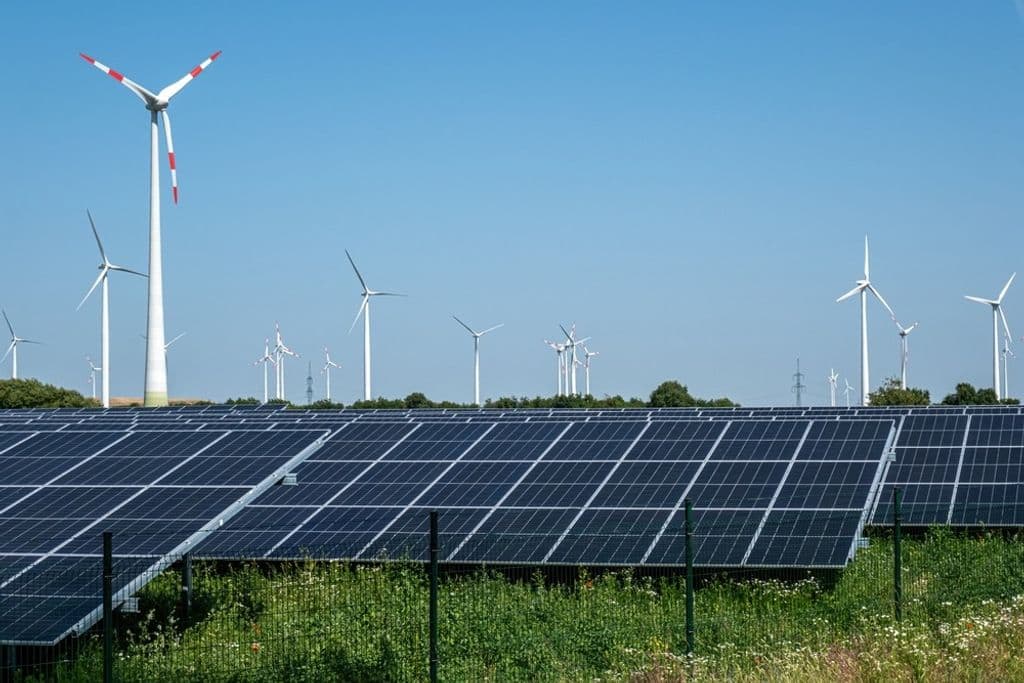
Solar energy comes from sunlight, which is converted into electricity using solar panels.This technology works by capturing sunlight and converting it into electrical energy through photovoltaic cells.
Indonesia has strong solar potential due to its high solar intensity throughout the year. It can be used not only for large-scale power plants but also for residential rooftop systems.
2. Hydropower
Hydropower uses flowing water to drive turbines connected to electricity generators.Water sources can include rivers, dams, or reservoirs.
In addition to large-scale hydropower plants, micro-hydro systems are also suitable for remote areas.
3. Geothermal Energy
Geothermal energy utilizes heat from beneath the earth’s surface to produce steam that drives turbines.
Indonesia has one of the largest geothermal potentials in the world due to its location along the Ring of Fire.This energy source is highly stable, as it does not depend on weather conditions like solar or wind energy.
4. Wind Energy
Wind energy uses air movement to rotate turbines and generate electricity.This technology is most effective in areas with high wind speeds.
Several regions in Indonesia have begun developing wind power plants as part of clean energy initiatives.
5. Biomass
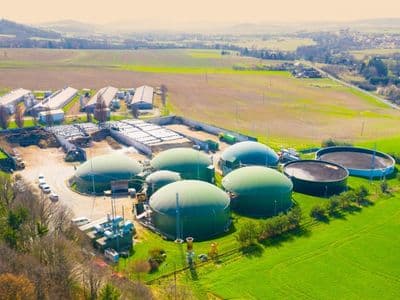
Biomass energy comes from organic materials such as agricultural waste, wood, animal waste, and household garbage.These materials can be processed into energy sources such as biogas or biodiesel.
Biomass utilization also helps reduce waste, providing dual environmental benefits.
How Does Renewable Energy Work?
In general, renewable energy utilization involves several key stages:
- Resource identification Determining available energy potential in a specific location.
- Energy conversion Transforming natural energy into electricity or heat using appropriate technologies.
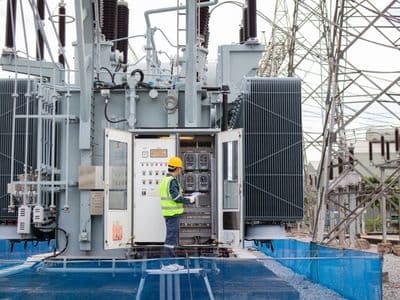
- Energy distribution Delivering energy to users through power grids or independent systems.
- Monitoring and efficiency Ensuring optimal system performance through continuous monitoring.
In addition, digital technologies are increasingly playing a role in renewable energy management.For example, Internet of Things (IoT)-based monitoring systems help improve efficiency and reduce operational disruptions.
The Role of Industry and Challenges in Renewable Energy Development
The development of renewable energy in Indonesia requires collaboration from multiple stakeholders, including the industrial sector.
One of the companies actively supporting energy transition efforts is TBS Energi Utama, which is committed to delivering sustainable energy solutions through innovation and collaboration.
The role of industry includes:
- Developing environmentally friendly technologies such as waste-to-energy
- Investing in clean energy projects
- Partnering with governments and local communities
- Improving energy efficiency in operations
However, renewable energy development also faces several challenges:
- High initial investment costs Infrastructure development requires significant upfront capital.
- Uneven infrastructure distribution Some regions still lack adequate facilities to support clean energy development.
- Technological limitations Not all areas have access to advanced technologies for optimal energy utilization.
- Regulatory challenges Policies still need further alignment to better support renewable energy investment.
Despite these challenges, the opportunities for renewable energy development in Indonesia remain vast.With collaboration between government, industry, and society, these barriers can be gradually overcome.
Public awareness is also crucial. The more people understand the benefits of renewable energy, the faster its adoption will grow across households and industries.
Conclusion
Renewable energy is a strategic solution for building a cleaner, more efficient, and sustainable energy system in Indonesia.Therefore, collaboration among government, industry, and society is essential to accelerate the energy transition.
As part of this effort, the role of industry players such as TBS Energi Utama becomes increasingly important in delivering innovative and sustainable energy solutions.
Together, let us support the adoption of renewable energy for a greener and more sustainable future for Indonesia.