Electric vehicles (EVs) are becoming the future of transportation in Indonesia as they reduce emissions, lower operational costs, and are supported by government policies and rapid technological advancements.
As public awareness increases and collaboration among stakeholders strengthens, the EV ecosystem continues to grow from production and infrastructure to sustainable mobility services.
The Development of Electric Vehicles in Indonesia
In recent years, the development of electric vehicles in Indonesia has shown significant growth.
This transformation is driven by global efforts to reduce carbon emissions and decrease dependence on fossil fuels. In Indonesia, this shift is also supported by government policies and rising public awareness of environmental sustainability.
Electric vehicles use electric motors powered by rechargeable batteries as their main energy source.
Compared to conventional vehicles, EVs offer major advantages, including near-zero emissions during operation and lower operational costs due to the absence of fuel consumption and simpler mechanical components.
Here are some common types of electric vehicles:
- Battery Electric Vehicle (BEV): Fully electric with no fuel usage
- Hybrid Electric Vehicle (HEV): Combines a gasoline engine with an electric motor
- Plug-in Hybrid Electric Vehicle (PHEV): A hybrid that can be recharged externally
- Fuel Cell Electric Vehicle (FCEV): Uses hydrogen as an energy source
Key Drivers of Electric Vehicle Growth
The growth of electric vehicles in Indonesia is supported by several key factors:
1. Advancing Technology
Technology is the foundation of EV development. Battery technology has significantly improved in terms of capacity, durability, and efficiency.
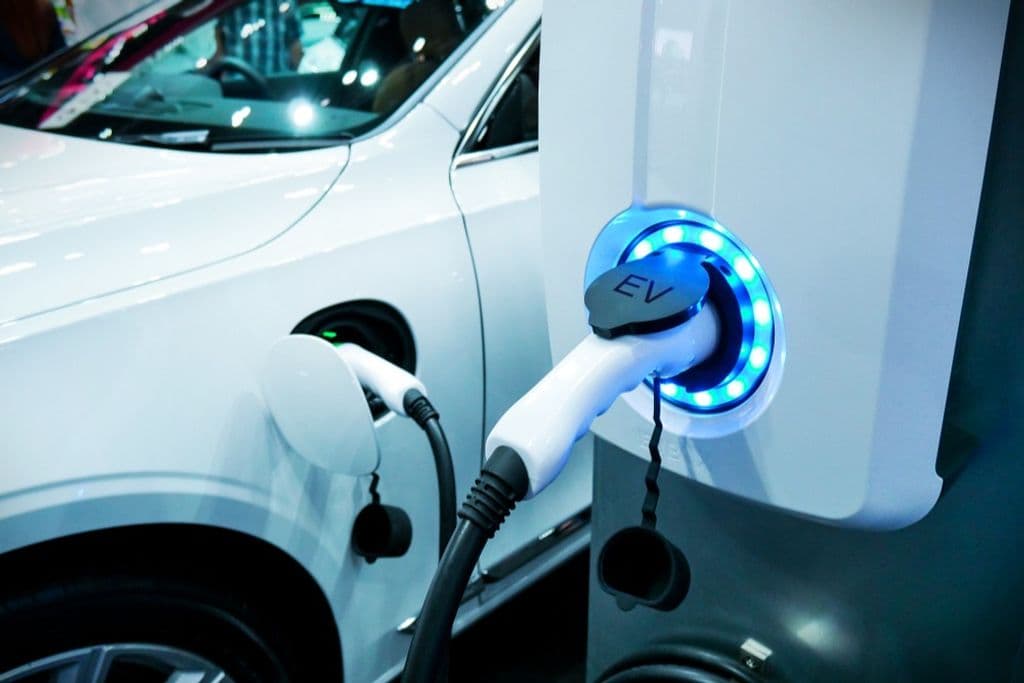
Fast-charging technology has also evolved, reducing charging time and increasing convenience.In addition, smart energy management systems allow for more efficient and safer power usage.
2. Expansion of Charging Infrastructure
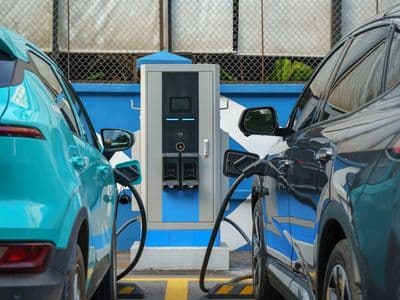
The availability of infrastructure such as public EV charging stations (SPKLU) is crucial for building consumer confidence.
Although currently concentrated in major cities, the expansion of charging infrastructure continues across regions. Innovations like battery swapping are also emerging as faster alternatives for energy replenishment.
3. Government Support Through Policies and Incentives
The Indonesian government promotes EV adoption through various policies, including purchase subsidies, tax reductions, and conversion programs from gasoline-powered motorcycles to electric.
The government also encourages investment in domestic EV and battery industries.
4. Increasing Environmental Awareness
Public awareness of environmental issues is growing.
Many consumers are shifting to EVs due to their environmentally friendly nature and zero tailpipe emissions. Lower operational costs are also a major consideration.
5. Collaboration Across Industries
EV development is also driven by collaboration among automotive manufacturers, government institutions, research organizations, and technology companies.
This collaboration includes technology development, local component production, and improved after-sales services.
Amid this development, TBS Energi Utama plays an important role through its electric mobility business. Together with GoTo Group, TBS established Electrum to build an integrated EV ecosystem in Indonesia.
Electrum focuses not only on two-wheeled electric vehicles but also on battery technology, battery swapping networks, charging infrastructure, and financing solutions.
Challenges and the Future of Electric Vehicles
Despite positive growth, several challenges remain:
1. Limited Charging Infrastructure
Charging stations are still concentrated in major cities, limiting accessibility in other regions and reducing consumer confidence for long-distance travel.
2. High Initial Costs
EV prices remain relatively high. While operational costs are lower in the long term, the upfront cost is still a barrier for many consumers.
3. Battery Production and Recycling
Battery production and recycling systems are critical challenges. Developing a domestic battery industry is essential to reduce import dependence and ensure environmentally responsible battery waste management.
4. Consumer Education
Public understanding of EV benefits such as efficiency, safety, and performance is still limited. Continuous education is needed to build trust and accelerate adoption.
Despite these challenges, the future of EVs in Indonesia remains highly promising. The government aims to increase EV adoption to reduce fuel imports and strengthen national energy security.
Indonesia also has strong potential to become a regional EV production hub in Southeast Asia, supported by abundant natural resources such as nickel, a key material for batteries.
The Role of TBS Energi Utama in Advancing the EV Ecosystem
The development of electric vehicles in Indonesia continues to move in a positive direction, supported by technology, government policies, and public awareness.
As part of this transformation, Electrum established by TBS Energi Utama and GoTo Group has achieved several milestones.
These include launching an EV ecosystem inaugurated by Joko Widodo, collaborating with partners such as Pertamina, Gogoro, and Gesits, and participating in global forums such as the G20 and B20 in Bali.
Funding support of USD 15 million from the Asian Development Bank, Australian Climate Finance Partnership, and Bank DBS Indonesia has further strengthened EV and infrastructure expansion, with significant emission reduction potential.
Currently, Electrum has introduced electric motorcycles such as H3i and H1 and operates more than 370 battery swapping stations serving thousands of vehicles demonstrating TBS’s commitment to building a cleaner mobility future.
Through these initiatives, TBS Energi Utama continues to drive the development of a strong and sustainable electric vehicle ecosystem in Indonesia.