Clean energy has become a key solution in addressing the climate crisis and growing energy challenges, including in Indonesia.
By utilizing environmentally friendly natural resources such as sunlight, wind, and water, clean energy can reduce carbon emissions while ensuring energy availability for future generations.
What Is Clean Energy and Why Is It Important?
Clean energy refers to energy produced with minimal environmental impact, particularly in terms of greenhouse gas emissions and air pollution.
Unlike fossil fuels such as coal and oil, which generate high emissions, clean energy is more environmentally friendly and sustainable.
In Indonesia, energy demand continues to grow alongside population increase and industrial development.
However, reliance on fossil fuels remains high. If not addressed, this could negatively impact the environment, public health, and national energy security.
Therefore, clean energy is a strategic solution that not only protects the environment but also supports sustainable development.
Clean energy is often associated with renewable energy and green energy.
- Renewable energy comes from naturally replenished sources such as sunlight and wind.
- Green energy refers to energy derived entirely from natural sources with minimal environmental impact.
All three share the same goal: reducing dependence on fossil fuels and creating a more sustainable energy system.
In addition, clean energy is part of the global target within the Sustainable Development Goals (SDGs), particularly Goal 7, which emphasizes access to affordable, reliable, sustainable, and modern energy for all.
Benefits of Clean Energy
Here are some key benefits of clean energy:
- Reduces greenhouse gas emissions, the main cause of climate change
- Lowers air pollution and improves public health
- Reduces the risk of respiratory and cardiovascular diseases
- Decreases dependence on limited fossil fuel resources
- Provides a sustainable and renewable energy source
- Offers more stable long-term operational costs
- Minimizes the impact of global energy price fluctuations
- Strengthens national energy security and independence
- Encourages environmentally friendly technological innovation
- Creates new job opportunities in the green energy sector
- Reduces water usage in energy production processes
- Supports green economic growth and sustainable investment
These benefits show that clean energy not only protects the environment but also contributes positively to economic and social development.
Types of Clean Energy You Should Know
Clean energy consists of various types, each with different characteristics and potential:
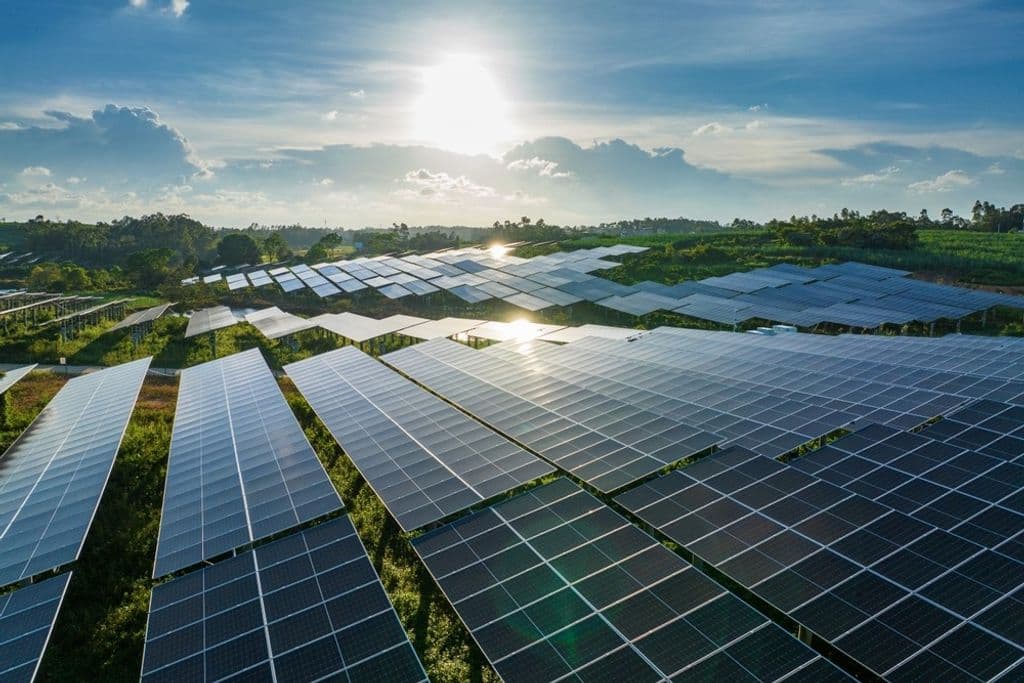
1. Solar Energy
Solar energy comes from sunlight and is converted into electricity using solar panels through the photovoltaic effect.Indonesia has strong potential in solar energy due to its tropical location and year-round sunlight.
2. Wind Energy
Wind energy harnesses wind power to rotate turbines and generate electricity.It is typically developed in areas with strong wind speeds, such as coastal regions and highlands.
In Indonesia, wind energy projects have been developed in areas like Sulawesi and East Nusa Tenggara.
3. Hydropower
Hydropower uses flowing water to generate electricity. It can be developed through large dams or small-scale hydropower systems.This type of energy is relatively stable and can serve as a primary electricity source.
4. Geothermal Energy
Geothermal energy comes from heat stored beneath the Earth’s surface. Indonesia has significant geothermal potential due to its location along the Ring of Fire. It is also highly reliable because it is not dependent on weather conditions.
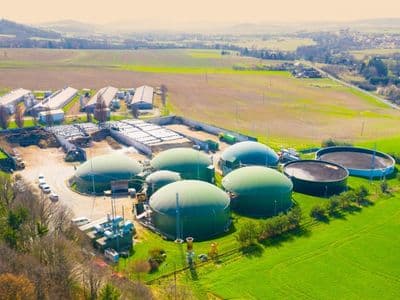
5. Biomass Energy
Biomass energy is derived from organic materials such as agricultural waste, wood, and organic waste.
It can be converted into electricity, heat, or fuels such as biodiesel and bioethanol. In addition to reducing waste, biomass supports a more balanced carbon cycle.
6. Nuclear Energy
Nuclear energy is produced through nuclear fission and does not generate carbon emissions during electricity generation.Although considered clean, it requires strict regulation due to radioactive waste concerns.
7. Green Hydrogen
Green hydrogen is a future energy source produced through water electrolysis using renewable electricity.It has significant potential as it produces no carbon emissions and can be used across various sectors, including transportation and industry.
8. Wave and Tidal Energy
This energy utilizes ocean movements caused by waves and tides to generate electricity.Although still under development, it holds strong potential for archipelagic countries like Indonesia.
By leveraging these various clean energy sources, Indonesia can build a more diversified, stable, and sustainable energy system.
Government Efforts in Promoting Clean Energy
The Indonesian government has taken several steps to promote clean energy adoption, including:
- Setting targets to increase renewable energy in the national energy mix
- Reducing carbon emissions by 29% by 2030
- Expanding electricity access through rural electrification programs
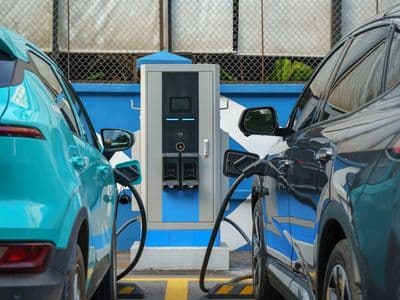
- Encouraging the adoption of electric vehicles and energy-efficient technologies
- Providing incentives for green energy investments
- Educating the public about the importance of clean energy
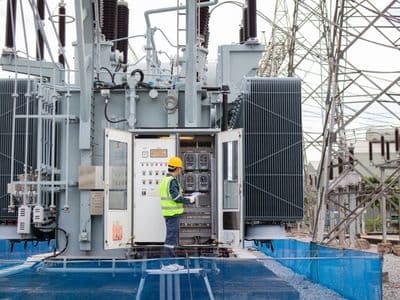
- Developing supporting infrastructure such as smart grids and energy storage
These efforts demonstrate the government’s commitment to accelerating the transition toward cleaner and more sustainable energy.
Time to Transition to Clean Energy with TBS Energi Utama
Clean energy is the key to building a healthier, safer, and more sustainable future.With its wide-ranging benefits from reducing emissions to boosting economic growth it is a solution that can no longer be delayed.
As part of Indonesia’s energy transition, TBS Energi Utama plays an active role in developing renewable energy through various strategic projects, such as:
- Mini Hydropower Plant (PLTM) Sumberjaya in Lampung (2x3 MW), operational since 2025
- Wind energy development in East Nusa Tenggara through PT Bayu Alam Sejahtera
- Floating Solar Power Plant project in Tembesi, Batam, targeted to operate in 2026
Through these initiatives, TBS Energi Utama demonstrates its commitment to supporting energy transition, green investment, green financing, and the advancement of clean energy in Indonesia.
Now is the time for all of us to contribute by adopting clean energy in our daily lives and supporting innovations that drive positive change for the planet.