Energy-saving strategies in the industrial sector are a key approach to reducing operational costs while minimizing environmental impact.In today’s modern industrial era, high energy consumption is no longer just a technical issue it is also a business and environmental concern.
For companies in Indonesia, implementing energy-saving practices not only helps maintain profitability but also contributes to national sustainability targets, such as achieving Net Zero Emissions by 2060.
This article explores the importance of energy efficiency, practical strategies for implementation in modern industries, and the role of companies in supporting the transition to clean energy in Indonesia.
The Importance of Energy Efficiency in Industry
Energy-saving practices in the business sector have a direct impact on the sustainability of industrial operations.
Energy is one of the largest cost components in production processes. Inefficient usage can significantly reduce company profits. By managing energy wisely, companies can lower expenses without reducing production capacity.
In addition, fluctuations in global energy prices make energy-intensive companies more vulnerable to rising costs. In Indonesia, reliance on fossil fuels remains relatively high, making energy efficiency strategies essential for maintaining operational stability.
From an environmental perspective, energy-saving efforts also help reduce carbon emissions. This is crucial, as the industrial sector is one of the largest contributors to emissions.
By reducing energy consumption, companies contribute to environmental protection and public health.
Moreover, Indonesian regulations are increasingly encouraging sustainable industrial practices. Companies that adopt energy efficiency early will be better prepared to comply with these policies and enhance their reputation as responsible businesses.
Energy-Saving Strategies in Modern Industry
There are various ways industries can save energy, ranging from simple actions to advanced technological solutions:
1. Identify High Energy Consumption Areas
By identifying inefficient machines or processes, companies can take corrective actions or replace outdated systems. Regular evaluations help uncover hidden energy waste.
2. Perform Routine Equipment Maintenance
Well-maintained machinery operates more efficiently. Poorly maintained equipment consumes more energy to produce the same output. Consistent maintenance programs help maintain optimal performance.
3. Build Employee Awareness
Without workforce involvement, efficiency efforts are unlikely to succeed. Continuous education on proper equipment usage and energy-saving habits is essential.
4. Manage Electricity Load During Peak Hours
Scheduling high-energy-consuming operations outside peak hours can reduce energy spikes. This strategy lowers costs and supports grid stability.
5. Utilize Digital Technology
Real-time energy monitoring systems allow companies to track consumption patterns in detail. This data enables faster and more accurate decision-making.
6. Conduct Regular Energy Audits
Energy audits help companies understand long-term consumption patterns and develop more effective strategies, including investments in energy-efficient technologies.
7. Use High-Efficiency Equipment
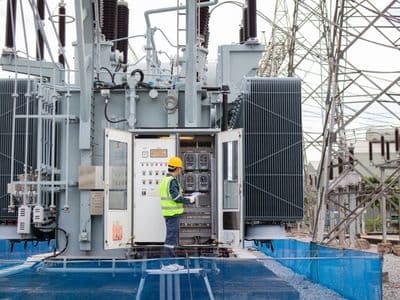
Upgrading to energy-efficient machines, such as high-efficiency motors or inverter-based cooling systems, can significantly reduce energy consumption over time.
8. Adopt Renewable Energy
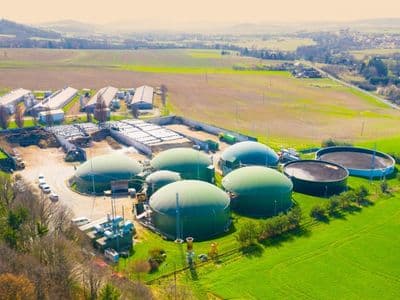
Industries can also save energy by integrating renewable sources such as biomass, hydropower, or solar energy.Indonesia has vast renewable energy potential that remains underutilized. Switching to clean energy reduces long-term costs and dependence on fossil fuels.
9. Implement Green Building Concepts
Energy efficiency should extend beyond production lines. Using natural lighting, LED systems, and energy-efficient cooling in facilities can reduce overall energy consumption.
10. Manage Energy Waste and Recycling
Industrial waste can be processed to improve resource efficiency and reduce environmental impact. This approach supports both sustainability and cost savings.
In Indonesia, many companies are beginning to recognize energy efficiency as part of business transformation.
One example is TBS Energi Utama, which actively develops clean and sustainable energy solutions through various renewable energy projects.
Benefits of Energy Efficiency for Business and the Environment
Implementing energy-saving strategies provides tangible benefits for companies:
1. Reduced Operational Costs
Lower energy consumption allows companies to allocate funds to other areas of business development.
2. Lower Carbon Emissions
This is a concrete step in addressing climate change, which is increasingly evident in Indonesia through rising temperatures and shifting weather patterns.
3. Increased Competitiveness
Companies that prioritize sustainability gain a competitive edge, as consumers are increasingly concerned about environmentally friendly products.
4. Supporting Indonesia’s Net Zero Emission Target
Energy efficiency contributes directly to achieving Indonesia’s Net Zero Emissions goal.Consistent efforts from the industrial sector can make a significant impact on building a greener future.
Energy Efficiency as a Real Step Forward with TBS Energi Utama
Energy efficiency is no longer optional—it is a necessity for modern industries in Indonesia.By implementing the right strategies, companies can improve operational efficiency while protecting the environment.
As part of its commitment to clean energy, TBS Energi Utama has developed several renewable energy projects, including:
- Mini Hydropower Plant in Sumberjaya, Lampung (2×3 MW), operational since January 2025
- Wind power project in East Nusa Tenggara through PT Bayu Alam Sejahtera
- Floating Solar Power Plant in Tembesi, Batam, targeted for full operation in 2026
These projects not only generate clean energy but also create green jobs and improve environmental quality.
Through these initiatives, TBS Energi Utama demonstrates that energy efficiency can go hand in hand with innovation and business growth.
Now is the time for more companies to follow this path and work together toward a more sustainable energy future.